
The Complete Guide to Winterizing Your Boat on Long Island
By Francky · · 14 min read
How you prepare your vessel for winter storage directly determines what condition it's in come spring. For Long Island, Hamptons and North Fork boat owners, Northeast winters are unforgiving — freezing temperatures, heavy snow loads, salt air and UV exposure can cause thousands of dollars in damage to a boat that wasn't properly put to bed. This comprehensive guide covers every step of the winterisation process.
Why Winterization Is Non-Negotiable in the Northeast
Long Island boat owners face a unique set of winter challenges compared to boaters in warmer regions. Temperatures regularly drop into the teens and single digits from December through February. Water left in engine cooling systems, plumbing lines or bilges doesn't need to be submerged to freeze — ambient air temperatures are enough to crack fittings, burst hoses and split impellers.
A cracked engine block costs $5,000–$15,000 to repair or replace. A burst water pump runs $300–$800. A split manifold is $1,500–$3,000. Every one of these repairs is entirely preventable with a proper winterisation performed in fall. Meanwhile, the cosmetic side — dirty hulls, untreated teak, mildew-laden upholstery — compounds over winter in ways that multiply the cost and effort required to get the boat back to showroom condition in spring.
At Platinum Prestige, our winter preparation service handles both the mechanical documentation side and the full cosmetic preparation, so your boat comes out of storage ready to launch, not ready for emergency repairs.
Timing: When to Pull the Boat
The optimal haul-out window for Long Island boaters is mid-October through early November. This gives you enough buffer before the first hard frost while still allowing you to enjoy the fall sailing season — which is often the most beautiful time on the water in Montauk and the North Fork.
Waiting until late November or December is risky. An early cold snap can catch you off guard, and marina haul-out schedules fill up quickly. If you miss your slot, you may be forced into wet storage through a freeze — which is the worst possible outcome for an unprepared vessel.
Pro tip: Book your winterisation detailing appointment when you schedule your haul-out — not after. The last two weeks of October are the busiest period of the year for marine detailers. Early bookings get priority scheduling and often better pricing.
The Complete 10-Step Winterization Checklist
1. Flush engine(s) with fresh water
Run fresh water through the raw water cooling system to remove salt deposits that accelerate corrosion. On inboards and I/Os, also flush the exhaust manifold.
2. Fog the cylinders
Spray fogging oil into the carburettor or throttle body while running, then into each cylinder through the spark plug holes. This coats internal engine surfaces and prevents rust during months of inactivity.
3. Change engine oil and filter
Used oil contains combustion acids that corrode engine internals during storage. Fresh oil over winter means your engine is ready to run cleanly in spring without residual acid damage.
4. Drain all water systems
Completely drain the bilge, freshwater tanks, water heater, livewell, baitwell and all plumbing lines. Even small amounts of trapped water can freeze and crack fittings, hoses and through-hulls.
5. Treat upholstery against mildew
Apply a mildew inhibitor spray to all vinyl and fabric upholstery. Leave seat cushions propped up or stored ashore to allow air circulation. Closed, damp interiors are ideal mildew incubators.
6. Disconnect and condition the batteries
Remove batteries or connect them to a smart trickle charger (maintainer). A fully discharged battery left for months will sulfate and be unable to hold a charge — even a new one.
7. Inspect and treat the fuel system
Add a quality fuel stabiliser to a full tank of fuel and run the engine for 10 minutes to distribute it. A full tank prevents condensation from forming inside, which contaminates fuel.
8. Flush and winterize the freshwater system with antifreeze
Use non-toxic propylene glycol marine antifreeze in all water lines, pumps and heads. This is especially important for boats stored outdoors where temperatures drop below freezing.
9. Professional pre-storage detail
A thorough wash, wax or ceramic top-up, teak treatment and interior clean before storage prevents contaminants from etching into surfaces over winter.
10. Cover or shrink-wrap
Professional shrink-wrapping provides the best protection against the elements. Ensure adequate ventilation to prevent moisture buildup inside the wrap.
Winter Storage Options: Which Is Right for Your Boat?
In-Water (Wet Storage)
Suitable for: mild climates only — not recommended for Long Island winters.
Advantages: convenient, no haul-out cost, quick access.
Considerations: freezing water damages hull fittings and through-hulls; constant moisture exposure; marine growth on the bottom.
Outdoor Dry Storage (Shrink-Wrapped)
Suitable for: most Long Island boaters — the best all-round option.
Advantages: lower cost than heated storage; shrink-wrap provides excellent protection when done professionally; wide availability.
Considerations: UV and temperature fluctuations still occur; requires thorough mechanical and cosmetic winterisation.
Indoor Unheated (Barn / Rack Storage)
Suitable for: smaller boats and PWCs.
Advantages: protected from UV, snow load and wind; no shrink-wrap needed; easier spring access.
Considerations: less available for larger vessels; still requires mechanical winterisation; humidity can still cause mildew.
Indoor Heated (Climate-Controlled)
Suitable for: high-value yachts and sensitive electronics.
Advantages: zero freeze risk; minimal mildew risk; can skip some antifreeze steps; cosmetic condition preserved best.
Considerations: most expensive option; limited availability; still requires engine and system winterisation.
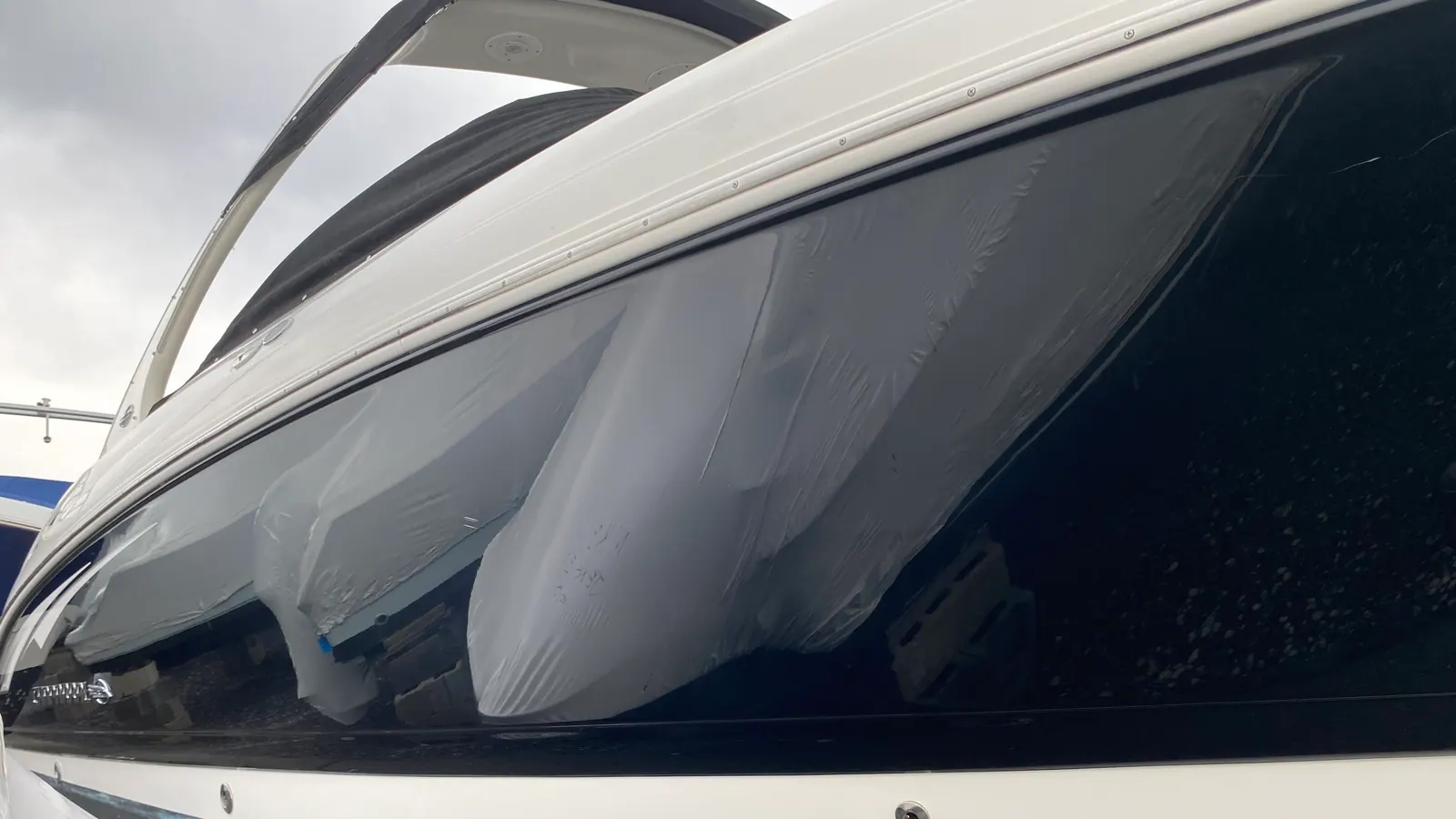
Shrink Wrapping: What You Need to Know
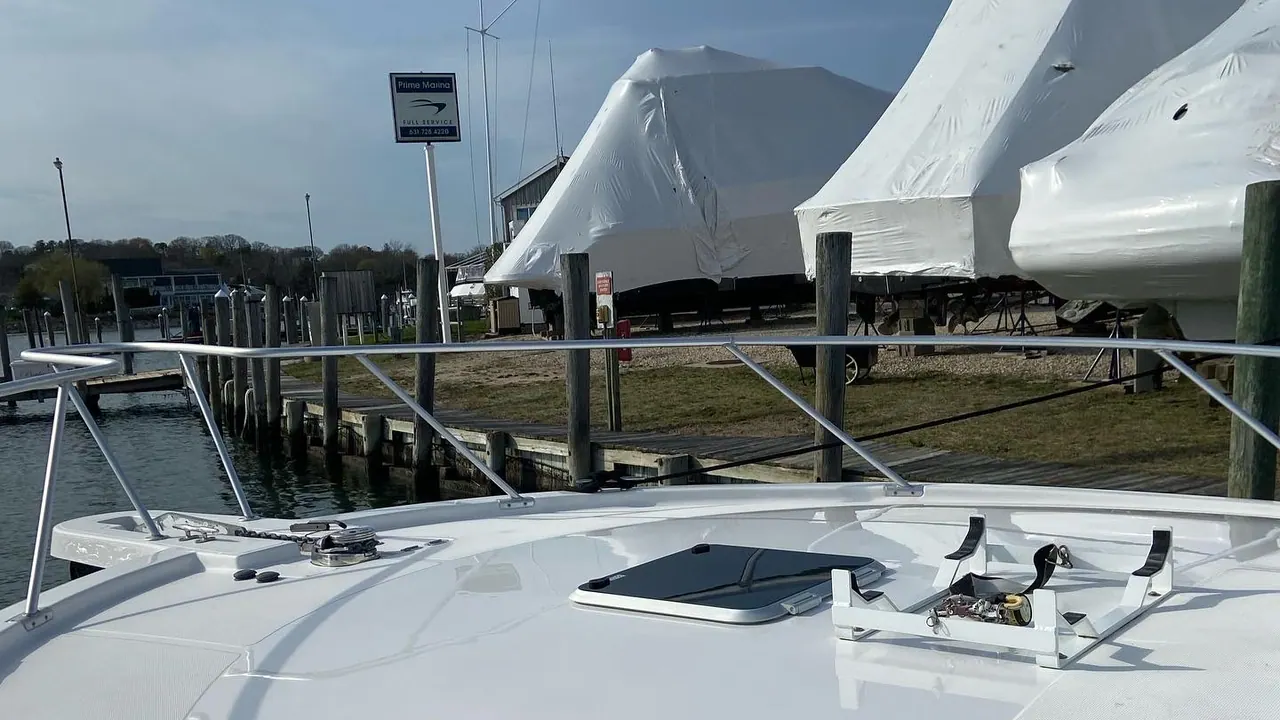
Professional shrink wrapping is the most effective protection for outdoor winter storage. A heat-applied polyethylene film is custom-fitted to your boat's profile, creating a tight, watertight barrier that sheds snow, repels UV and prevents debris accumulation. Unlike canvas covers, shrink wrap cannot blow off, sag or collect standing water that breeds mildew.
Key features of a professionally applied shrink wrap job:
- A proper internal frame (using PVC or wood) ensures the wrap sheds snow instead of collapsing under it
- Ventilation ports are installed to allow air circulation and prevent condensation buildup inside
- Access doors can be cut and zipper-sealed for mid-winter access to the interior
- The wrap extends down over the hull to protect the gelcoat from UV and abrasion during haul-out
DIY shrink wrapping is possible but requires a heat gun, strapping and experience. Improperly applied wrap that allows pooling, lacks ventilation or isn't properly secured can actually cause more damage than a good canvas cover. For most boat owners, professional application is the smart choice.
Why Pre-Storage Detailing Is Just as Important as Mechanical Winterization
A boat that goes into storage dirty comes out in far worse condition than one that was properly cleaned and protected first. Here's what happens when you skip the pre-storage detail:
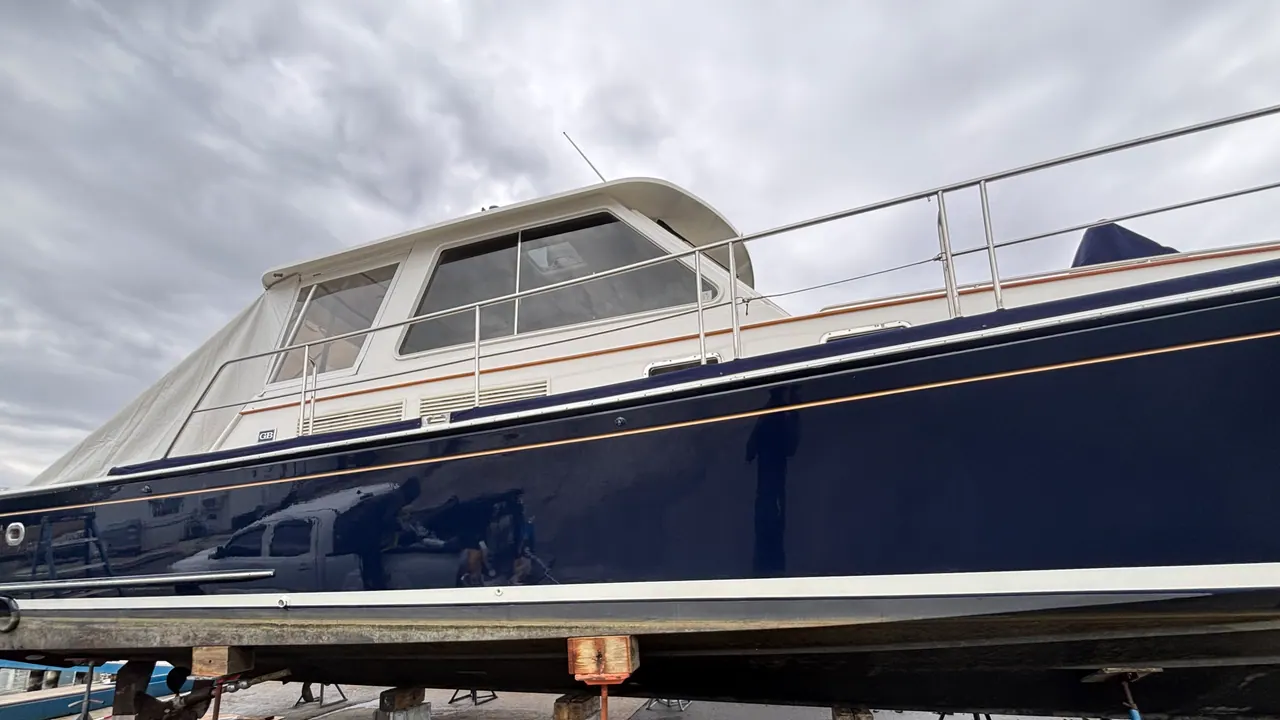
Hull & gelcoat: Salt, algae and fish residue left on the hull react chemically with the gelcoat over winter, causing etching and staining. What could be rinsed off in five minutes in October requires compounding and polishing — or even wet sanding — in May. A pre-storage wash and wax or ceramic top-up coat seals the surface and prevents this entirely.
Teak: Moisture-laden teak left untreated over winter is prime real estate for mildew and black staining. A fall cleaning and oil or seal application takes 2–3 hours and prevents the need for full restoration in spring.
Upholstery & interior: Vinyl and fabric that isn't treated with a mildew inhibitor in a sealed, dark interior will develop mould colonies over winter. Mild mildew can be cleaned; severe mould may require complete upholstery replacement.
5 Winterization Mistakes That Cost Boat Owners the Most
Storing with a dirty hull
Salt, algae and organic matter etch into gelcoat over winter, causing oxidation and staining that's far harder to remove in spring. What could be wiped off in October requires wet sanding in May.
Skipping the fuel stabilizer
Untreated gasoline begins to degrade within 30 days. By spring, you may have varnished carburettors, clogged injectors and fuel that won't combust properly — leading to a frustrating, expensive opening day.
Leaving batteries installed without a maintainer
Discharged batteries sulfate irreversibly within 2–3 months. Even a battery that was strong last season will often need replacement if left discharged all winter.
Using a canvas cover without ventilation
Canvas traps moisture inside the boat's interior, creating the perfect conditions for mould and mildew to colonise upholstery, carpet, woodwork and electronics.
Not draining the freshwater system
A single overnight freeze with water in the lines can crack PVC fittings, burst water pumps and split hoses — repairs that are entirely avoidable.
Planning Ahead: From Winter Storage to Spring Launch
Winterisation and spring commissioning are two sides of the same coin. When Platinum Prestige performs your fall detail, we conduct a full condition assessment and document any issues — scratches, gelcoat chips, teak wear, upholstery damage — that should be addressed in spring. This means that when March arrives, you already have a clear, prioritised service plan and aren't scrambling to figure out what needs doing before launch day.
Boaters who winterise and commission with the same team get a seamless handoff. We know your boat, we know its history, and we know exactly what it needs to launch on time. Check out our spring boat preparation checklist for the full story on what commissioning involves.
Frequently Asked Questions
When is it too late to winterize on Long Island?
The critical deadline is before the first hard freeze — typically late October to mid-November in the Hamptons and Long Island Sound area. Water in engine cooling systems and plumbing lines needs only one overnight freeze to cause catastrophic damage. Don't wait for the marina to remind you.
Do I still need to winterize if my boat is stored indoors?
Yes. Mechanical winterisation (engine flushing, fogging, antifreeze in water systems) is required regardless of storage environment. Even indoor unheated facilities can drop below freezing in January and February. The only exception is climate-controlled heated storage, where some antifreeze steps may be skipped with guidance.
How long does a professional winterization detail take?
A full pre-storage detail (wash, wax, interior clean, teak treatment, upholstery treatment) on a 30–40 foot vessel typically takes 6–10 hours. We schedule winterisation details to coincide with your haul-out date where possible, to minimise the window between last use and storage.
Should I leave any seacocks open or closed over winter?
All seacocks should be closed for winter storage to prevent any possibility of flooding. The exception is the bilge drain valve on trailered or rack-stored boats — this can be left open to allow any moisture to drain. All seacocks should be greased with waterproof grease before closing to prevent seizing over the winter.
How early should I book a winterization appointment?
We recommend booking in September for October service. The last two weeks of October fill up extremely quickly as everyone rushes to meet haul-out deadlines at the same time. Early bookers also get priority scheduling around their marina's preferred haul-out window.
Get Your Boat Winter-Ready with Platinum Prestige
Don't leave your vessel's winter preparation to chance. Platinum Prestige offers comprehensive winterisation detailing and shrink-wrapping services throughout Long Island, the Hamptons and the North Fork. Spots fill fast in October — book yours now.
Related services
Book Your Winterization Detail
October fills up fast. Reserve your pre-storage detail and shrink-wrap now.