
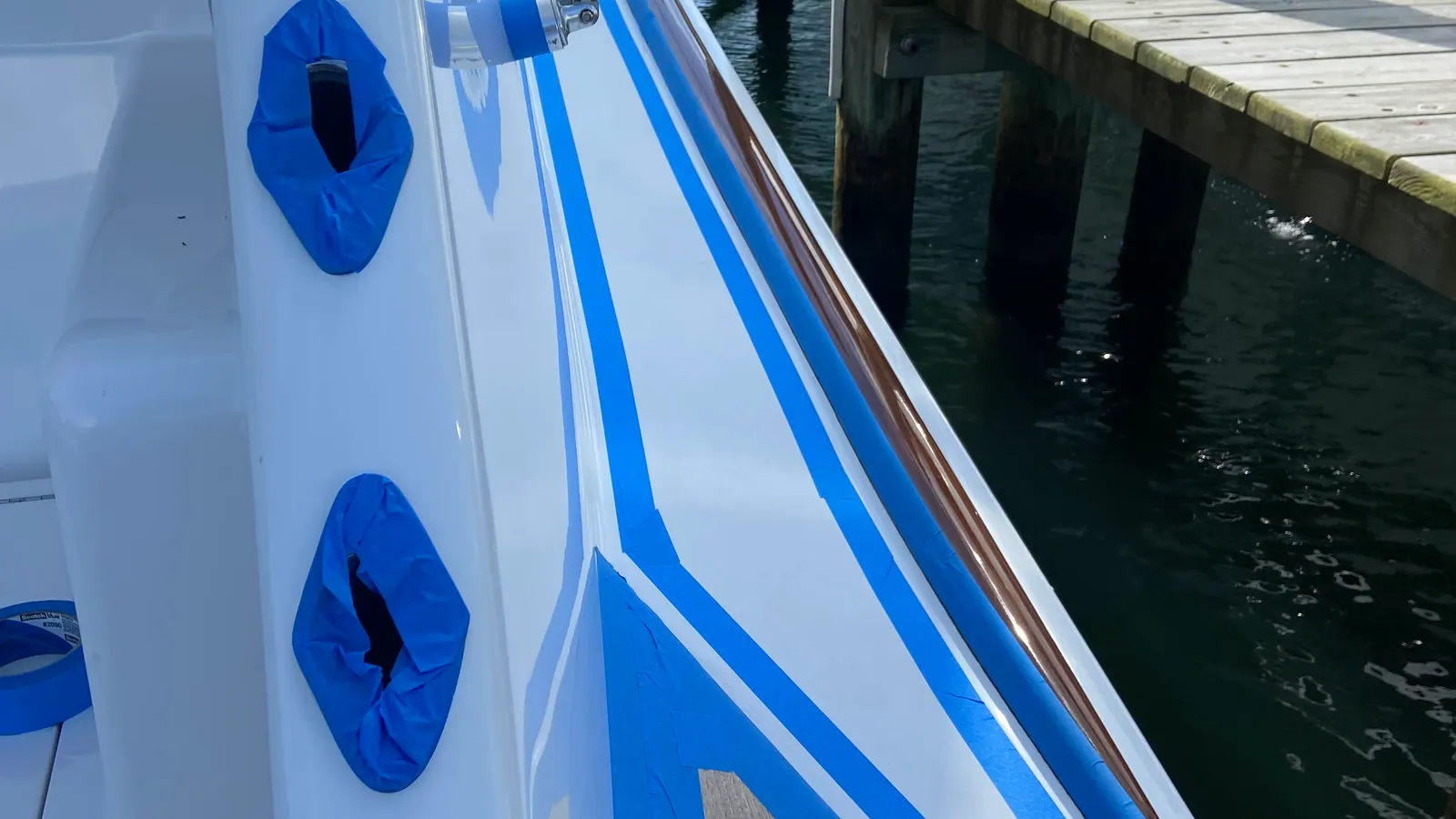
Wet Sanding & Surface Correction for Boats
Advanced techniques for deep surface correction and flawless finish restoration.
When Wet Sanding Is Necessary
Wet sanding represents the most aggressive form of gelcoat and paint correction — reserved for deep scratches, severe oxidation or surface imperfections that cannot be removed through standard polishing. This meticulous process involves using ultra-fine abrasive papers with water lubrication to level the surface, literally removing material until imperfections are eliminated.
The technique requires exceptional skill and experience. Our technicians understand gelcoat thickness tolerances and use precise techniques to achieve flawless results.
Following wet sanding, we progressively refine the surface through graduated polishing stages, ultimately achieving a mirror-finish that rivals factory application. The transformation in depth, clarity and smoothness cannot be achieved through any other method. Protect your restored surface with ceramic coating for long-lasting results.
Professional wet sanding typically requires 1–2 days for a mid-sized yacht depending on the extent of correction needed. This time-intensive process demands patience and precision — rushing leads to irreversible damage. The investment pays dividends in restored appearance and protected gelcoat that maintains its beauty for years. We serve yacht owners throughout the Hamptons and North Fork.
Conditions Requiring Wet Sanding
Deep scratches that penetrate through wax and polish layers.
Severe oxidation that cannot be removed through standard compounding.
Orange peel texture from improper paint or gelcoat application.
Water spots and mineral deposits etched into the surface.
Previous repair work that needs blending and levelling.
Preparation for ceramic coating requiring a perfectly smooth substrate.
Professional Wet Sanding Process
1. Surface Assessment
We measure gelcoat thickness using specialised gauges to ensure adequate material remains for sanding. Areas with thin gelcoat are flagged for careful treatment or avoided entirely to prevent breakthrough.
2. Progressive Sanding
We begin with appropriate grit sandpaper (typically 1000–3000 grit depending on defect severity) and progressively work through finer grits. Constant water lubrication prevents heat buildup and clogging.
3. Compounding
After sanding removes defects, we use cutting compounds to begin restoring gloss. Multiple compounding stages gradually refine the surface, removing sanding marks.
4. Polishing
Fine polishing compounds bring back the deep gloss and clarity. We use progressively finer polishes until achieving a mirror-like finish that rivals or exceeds factory quality.
5. Final Protection
Freshly corrected surfaces receive immediate protection through premium wax, sealant or ceramic coating application to lock in the perfection and prevent rapid recontamination.
Risks of Improper Wet Sanding
Gelcoat and Paint Breakthrough
Removing too much material can break through to the underlying fiberglass, requiring expensive gelcoat and paint reapplication. Professional thickness measurement prevents this catastrophic error.
Edge Burns
Raised edges, curves and trim areas heat up quickly during sanding, causing burns or breakthrough. Experienced technicians recognise high-risk areas and adjust technique accordingly.
Uneven Results
Inconsistent pressure or technique creates waves, flat spots or uneven gloss levels. Professional wet sanding requires years of experience to maintain consistent material removal.
Understanding Gelcoat vs. Paint
Gelcoat Characteristics
Gelcoat is the coloured resin layer applied to fiberglass during manufacturing. Unlike paint, gelcoat is integral to the laminate structure and typically 15–25 mils thick when new. This finite thickness means there's limited material available for correction before breakthrough occurs.
Age Considerations
Older yachts may have significantly thinner gelcoat due to previous correction attempts, oxidation removal or general wear. Before wet sanding any vessel over 10 years old, we measure remaining thickness to ensure safe correction is possible.
Paint Systems
Some yachts have painted rather than gelcoat finishes, particularly newer vessels or those that have been refinished. Paint systems respond differently to wet sanding and require modified techniques to prevent edge lifting or delamination.
Clear Coat Layers
Modern marine finishes sometimes include clear coat protection over coloured gelcoat or paint. Wet sanding through clear coat requires complete removal and reapplication — a process we coordinate carefully to ensure proper UV protection restoration.
Mobile Service Across the Region
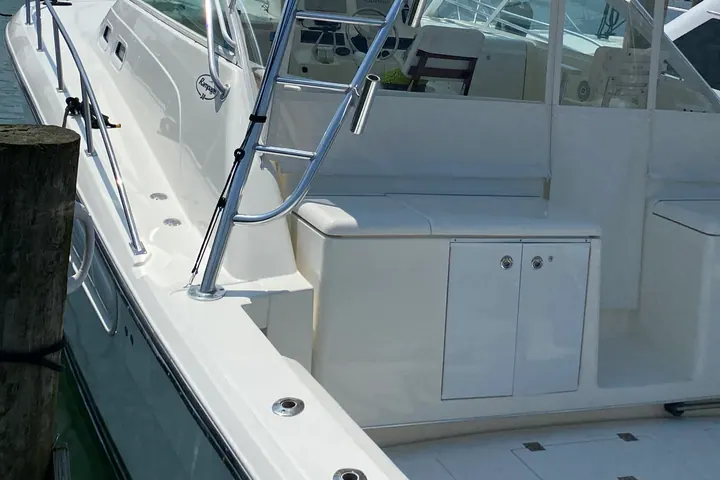
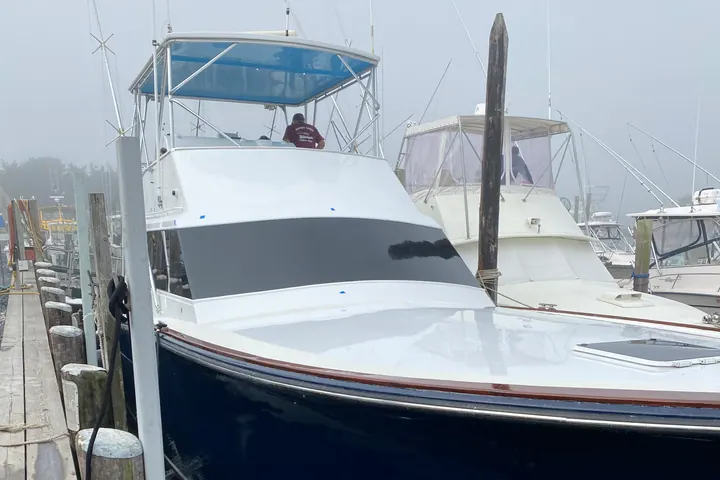
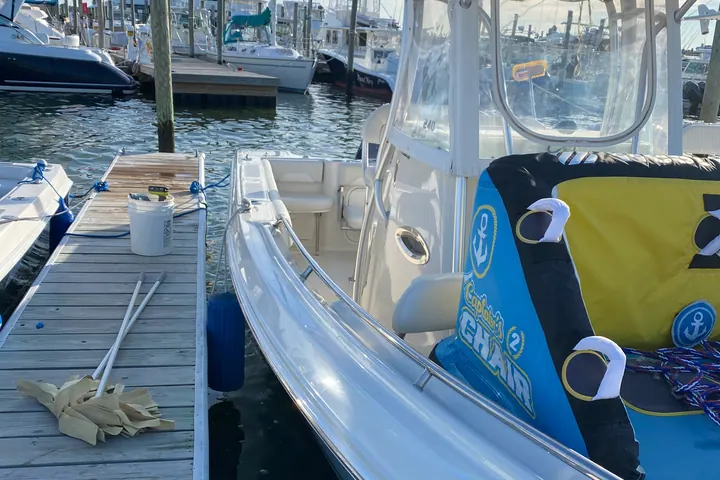
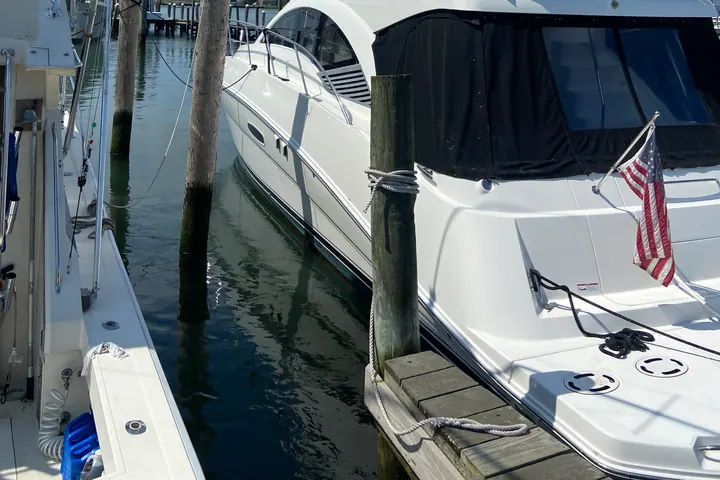
We serve the region's most prestigious marinas and private anchorages — we come to your dock.
Related Services
Expert Wet Sanding & Surface Correction
Professional gelcoat restoration for yachts throughout Long Island and the Hamptons.