Surface Oxidation Removal & Restoration
Transform chalky, dull surfaces back to original brilliance — properly done, this is a one-time restoration, not something you should redo every year.
Understanding Surface Oxidation
Oxidation is the silent enemy of every boat owner. When marine surfaces are exposed to UV rays and saltwater, they begin breaking down at the molecular level — a process that manifests as a chalky, dull appearance that no amount of washing can remove. Left untreated, oxidation progressively degrades the top coat of your surface (gelcoat or paint).
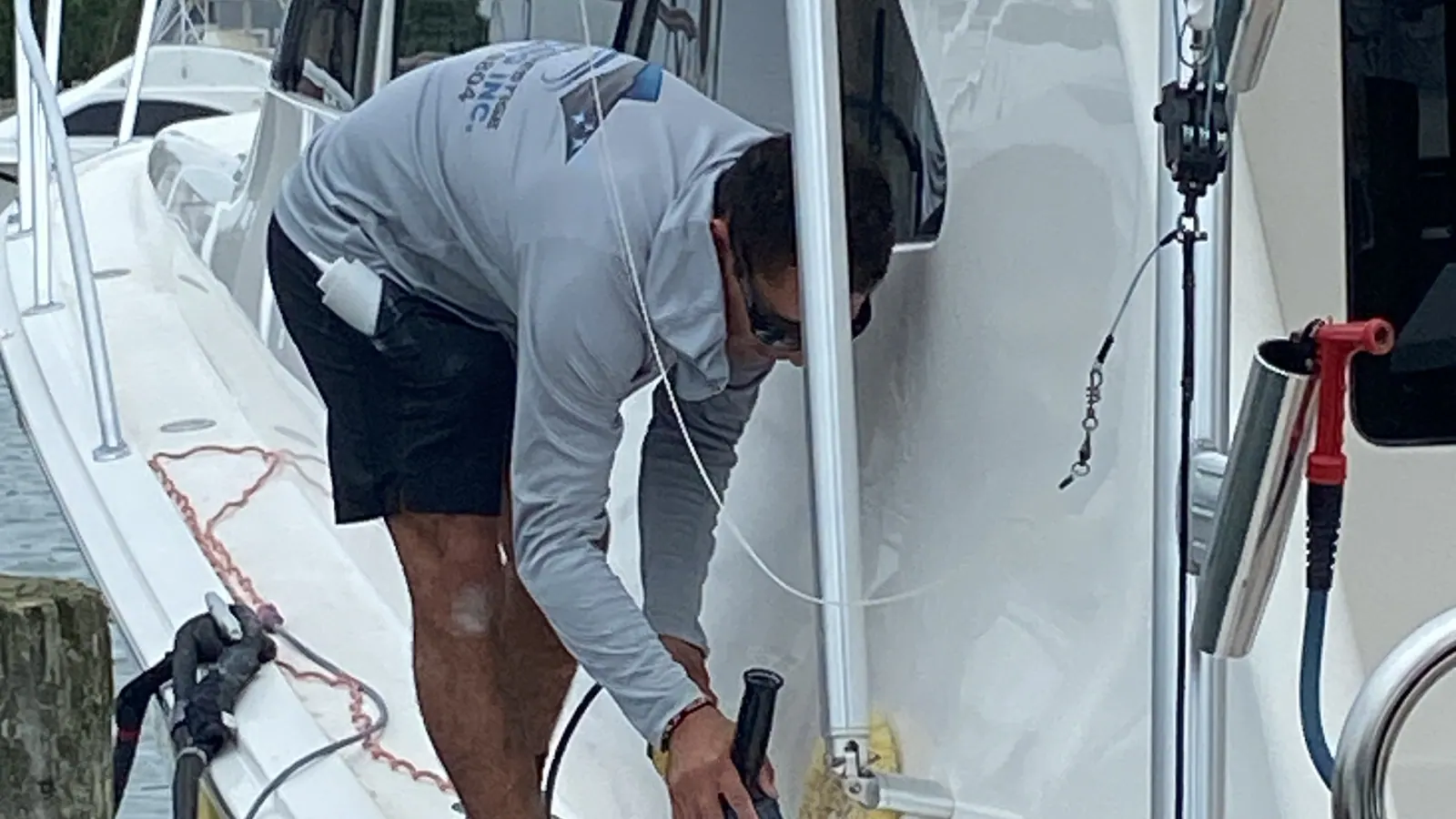
Our professional oxidation removal process is a multi-step restoration that removes damaged surface material. Using graduated compounds and machine polishing techniques, we systematically restore colour depth and gloss, bringing even severely oxidised surfaces back to showroom condition.
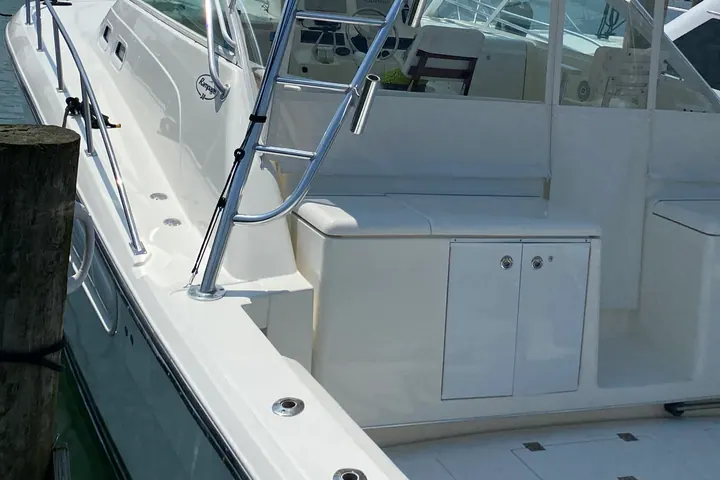
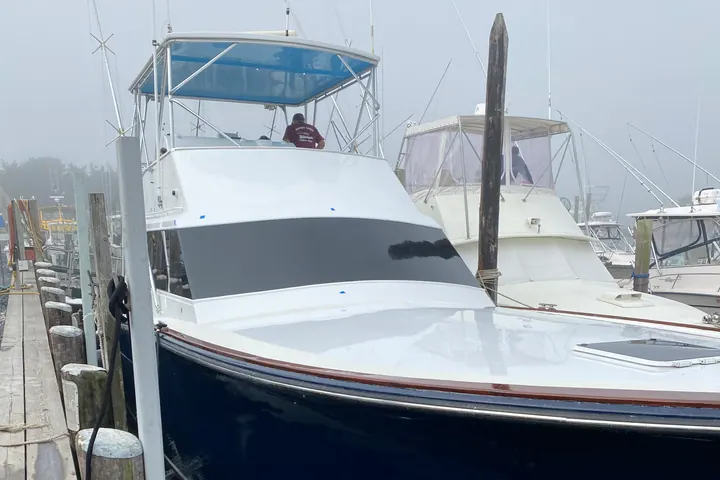
The transformation is dramatic and immediate. What appeared to be permanently damaged reveals vibrant colour and mirror-like gloss once the oxidised layer is professionally removed and the surface properly polished.
The Professional Restoration Process
1. Surface Assessment
Assess oxidation severity to determine the appropriate correction level.
2. Wet Sanding (If Needed)
Wet sanding is only used when oxidation or defects are too deep for compounding alone. If wet sanding is not required, we move directly to the next correction step.
3. Heavy Compounding
Aggressive marine compound removes the oxidised layer using controlled machine polishing. This step restores colour depth and eliminates chalky surfaces. We use compounds formulated for marine surfaces, not automotive paint.
4. Medium Polishing
Intermediate polish refines the surface, removing compounding marks while further enhancing gloss and clarity.
5. Final Finishing
Ultra-fine finishing polish creates a mirror-like gloss while removing any remaining holograms from previous steps, preparing surfaces for protective wax or ceramic coating application.
6. Protection Application
Premium wax or ceramic coating seals the restored surface, preventing future oxidation and maintaining the brilliant finish we've achieved.
What Proper Restoration Really Takes
When Wet Sanding Is Necessary
Wet sanding is the most aggressive form of gelcoat and paint correction available. This technique requires exceptional skill and experience. Remove too little material and imperfections remain and oxidation returns. Remove too much and you risk compromising gelcoat and paint thickness or burning through to the underlying fiberglass.
Professional wet sanding typically takes 1–2 days on a mid-size yacht. We use progressively finer grits, maintaining constant water lubrication to prevent heat buildup. Each sanding step is followed by inspection to ensure we're removing just enough material to eliminate defects without excessive surface removal.
When it's required: Deep scratches, severe oxidation or heavy staining that cannot be removed through compounding alone demands wet sanding. We identify these conditions during initial assessment and provide honest recommendations about whether this aggressive approach is necessary and safe for your vessel's surface condition.
Why DIY Oxidation Removal Fails
Hardware store rubbing compounds and orbital buffers marketed to consumers cannot achieve professional results. Improper technique creates swirl marks, burns through surface edges and often makes oxidation worse by driving contaminants deeper into the surface.
Professional surface restoration requires understanding of cutting compounds, polish selection, pad types, machine speeds and pressure application — knowledge gained through years of experience. We know exactly how much material to remove, which compounds to use in sequence and how to achieve uniform results across the entire hull. After restoration, protect your investment with ceramic coating for long-lasting results.
The difference isn't just cosmetic. Proper oxidation removal and subsequent protection significantly impacts resale value, with well-maintained surfaces commanding premium prices in the yacht market.
Signs Your Yacht Needs Oxidation Removal
Chalky Residue
If you can rub your finger across the surface and see white powder on your skin, oxidation has progressed significantly. This chalky layer must be removed professionally.
Dull, Flat Appearance
Loss of gloss and depth indicates surface degradation. Even after washing, surfaces look lifeless compared to their original shine.
Colour Fading
Colours appearing lighter or washed out suggests UV damage has penetrated the surface. Dark colours (navy, hunter green, black) show oxidation most dramatically.
Rough Texture
Surfaces feeling rough or textured instead of smooth indicate advanced oxidation. This texture won't improve with washing alone.
Age Indicators
Yachts over 5 years old in regular use typically show some oxidation. Vessels stored outdoors or in high-sun exposure accelerate the process significantly. Regular seasonal maintenance can prevent severe oxidation.
Mobile Service Across the Region
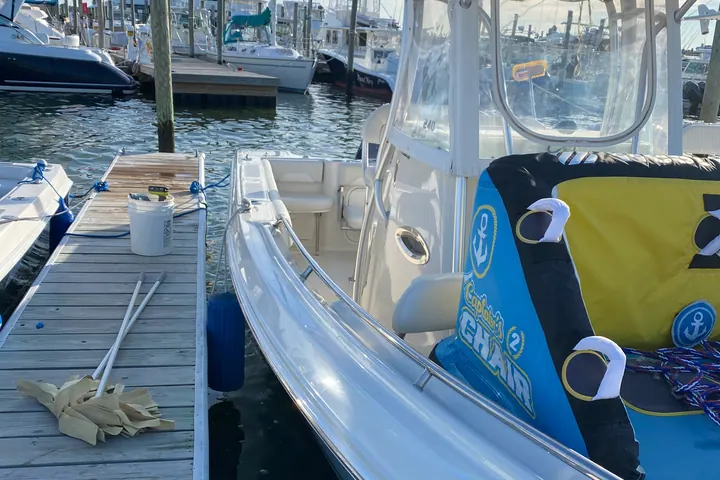
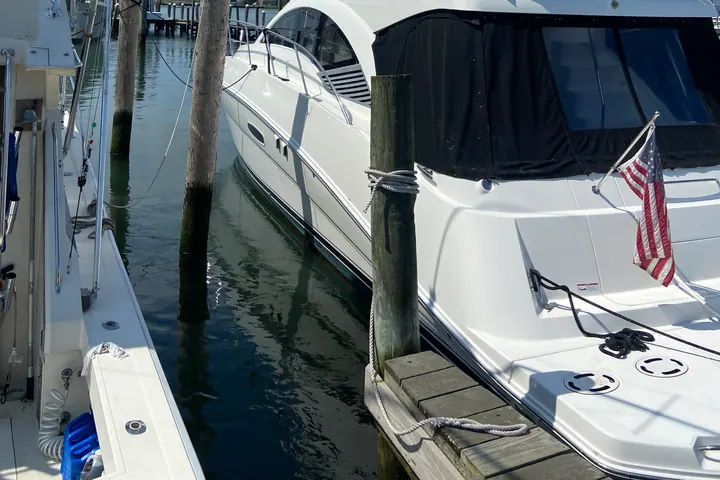
We serve the region's most prestigious marinas and private anchorages — we come to your dock.
Related Services
Restore Your Yacht's Original Beauty
Professional surface restoration throughout the Hamptons, North Fork and Long Island.