
Essential Spring Boat Preparation Checklist: Get Your Vessel Ready for the Season
By Francky · · 10 min read
As winter releases its grip on the Northeast, boat owners throughout Long Island, the Hamptons and NYC begin the exciting process of preparing their vessels for another boating season. Proper spring commissioning is critical not just for performance and appearance, but for safety on the water. This comprehensive checklist covers everything you need to do before your first voyage of the season.
Hull and Exterior Inspection
Begin your spring preparation with a thorough walk-around inspection of your boat's exterior. Winter storage, whether on land or in the water, can take a toll on your vessel's finish and structural integrity.
Gelcoat and Hull Condition
Examine the entire hull for cracks, chips, blisters or any signs of osmosis. Pay special attention to the waterline area where environmental damage is most common. Look for chalky, faded areas that indicate oxidation — a common problem after harsh winters. If you notice significant oxidation, professional oxidation removal and restoration can bring back that factory shine before the damage becomes permanent.
Check for any stress cracks around cleats, hardware and high-load areas. These small cracks can allow water intrusion and lead to serious structural problems if left untreated. For fibreglass boats, spider cracks in the gelcoat should be repaired before they spread.
Bottom Paint and Antifouling
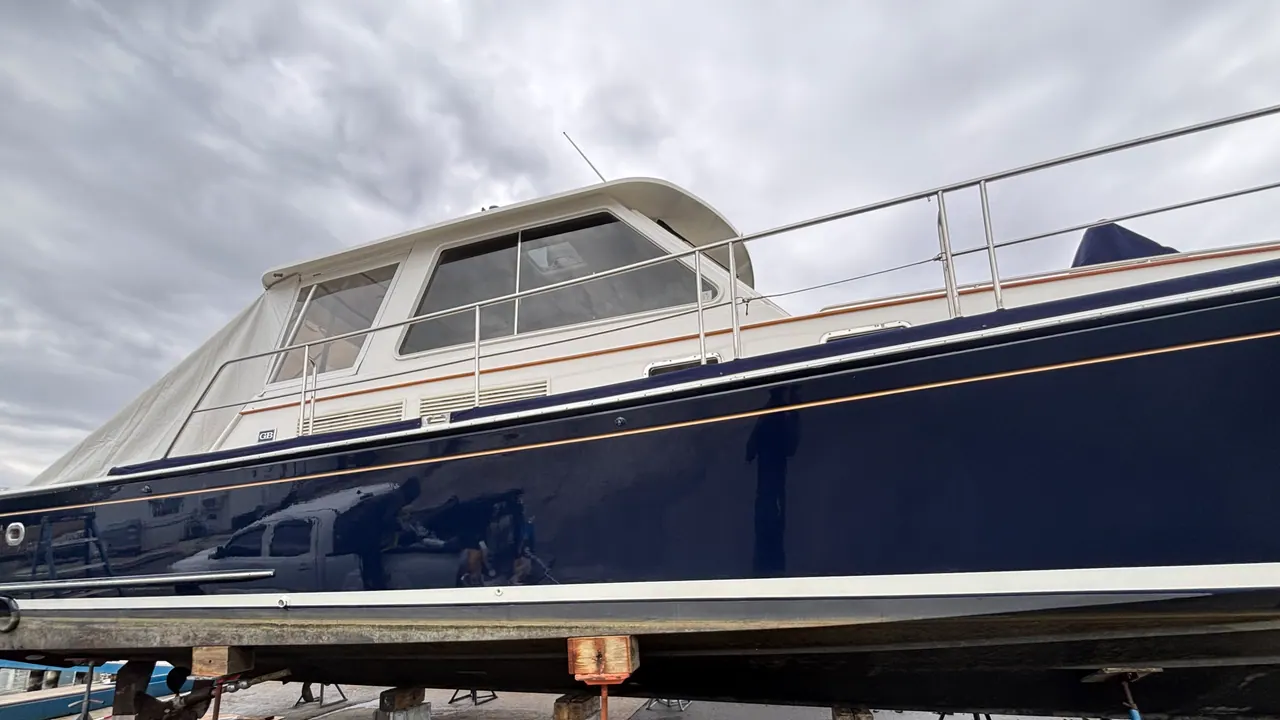
Inspect your bottom paint for wear, peeling or bare spots. In the waters around North Fork and Greenport, marine growth can be aggressive during warm months, making effective antifouling essential. Most boats need fresh bottom paint every 1–2 seasons, depending on usage and water conditions.
Through-Hulls and Hardware
Check all through-hull fittings, seacocks and underwater hardware for corrosion or deterioration. Exercise each seacock to ensure smooth operation. Bronze fittings can develop dezincification over time, appearing pink or coppery — a sign they need replacement. Check zincs and replace any that are more than 50% depleted.
Exterior Checklist
- Inspect hull for cracks, chips and blisters
- Check for gelcoat oxidation and fading
- Examine bottom paint condition
- Test all through-hulls and seacocks
- Inspect and replace zincs as needed
- Check propeller for damage or fouling
- Inspect rudder and steering components
- Examine all deck hardware and cleats
Interior Cleaning and Detailing
After months of being closed up, your boat's interior needs thorough attention. Winter storage creates the perfect environment for mould, mildew and musty odours to develop, especially in the humid Northeast climate.
Deep Cleaning and Sanitisation
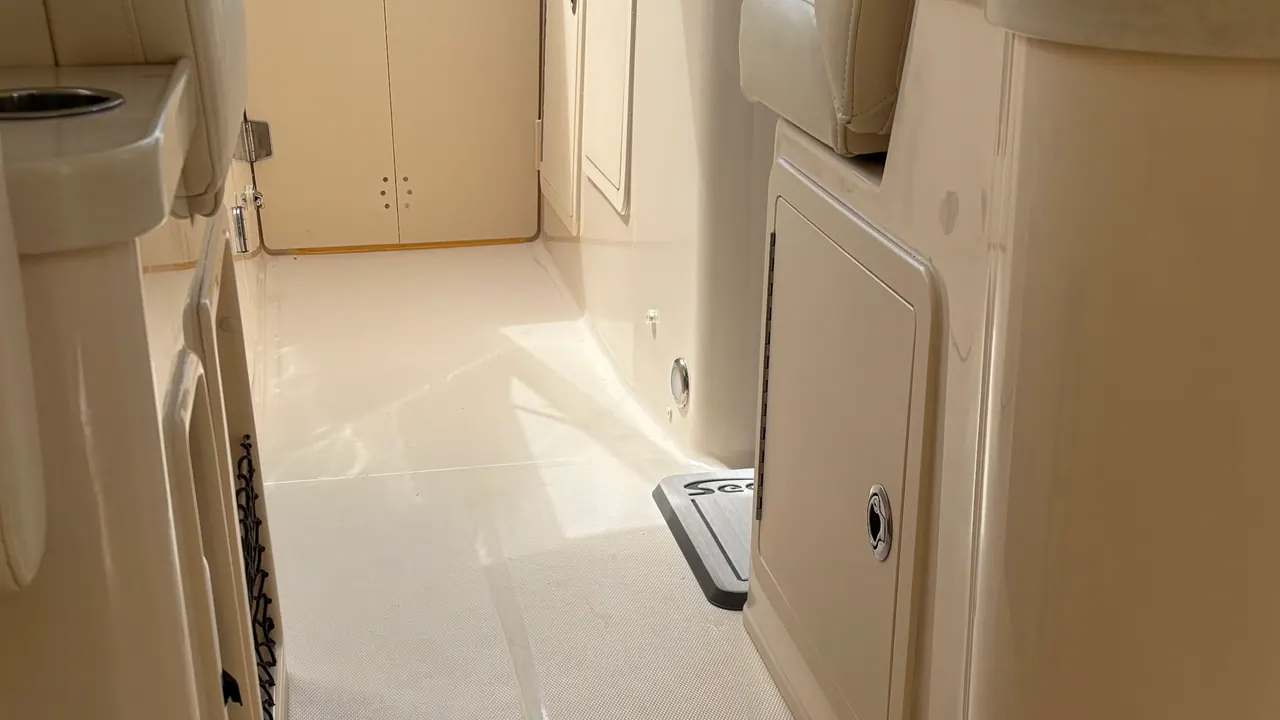
Professional interior detailing goes beyond surface cleaning. All upholstery, carpets and soft surfaces should be deep cleaned and sanitised. This removes not just visible dirt but also mould spores, bacteria and allergens that have accumulated over winter. Pay special attention to areas under cushions, inside lockers, and anywhere moisture may have collected.
Mildew Prevention
Prevention is key to avoiding recurring mildew problems. Our mildew prevention treatment creates a protective barrier on fabrics and surfaces that inhibits mould and mildew growth throughout the season. This is especially important for boats docked in humid areas like Montauk and Sag Harbor.
Teak Care and Restoration
Winter weather is particularly hard on teak. Check all teak decking, trim and furniture for weathering, checking or black mould stains. Professional teak restoration can bring weathered wood back to its original golden colour. After restoration, proper sealing protects the wood and maintains its appearance throughout the season.
Systems and Safety Checks
Engine and Mechanical Systems
If your engine was properly winterised, spring commissioning is straightforward but critical. Check all fluid levels including oil, coolant and transmission fluid. Replace the fuel filter and water separator. Inspect belts and hoses for cracks or deterioration. Check the raw water impeller — most manufacturers recommend annual replacement.
For outboards, reconnect the fuel line and battery. Check the lower unit oil for milky discolouration that indicates water intrusion. Inspect the propeller for dings, cracks or fishing line wrapped around the shaft.
Electrical Systems
Test all electronics, navigation lights, bilge pumps and electrical accessories. Check battery condition and charge levels. Inspect wiring connections for corrosion, especially in the engine compartment and battery areas. Replace any corroded terminals or damaged wiring before they cause problems on the water.
Safety Equipment
Verify that all required safety equipment is aboard and in good condition. Check fire extinguisher gauges and inspection dates. Inspect life jackets for deterioration or damage. Ensure flares are current — expired flares should be replaced. Test your VHF radio and verify your registration and documentation are current.
Safety Equipment Checklist
- Life jackets for all passengers
- Fire extinguishers (check gauge and date)
- Visual distress signals (flares) — check expiration
- Sound producing device (horn or whistle)
- Navigation lights — test all
- VHF radio — test transmission
- First aid kit — restock as needed
- Throwable flotation device
- Current registration and documentation
Canvas, Covers and Enclosures
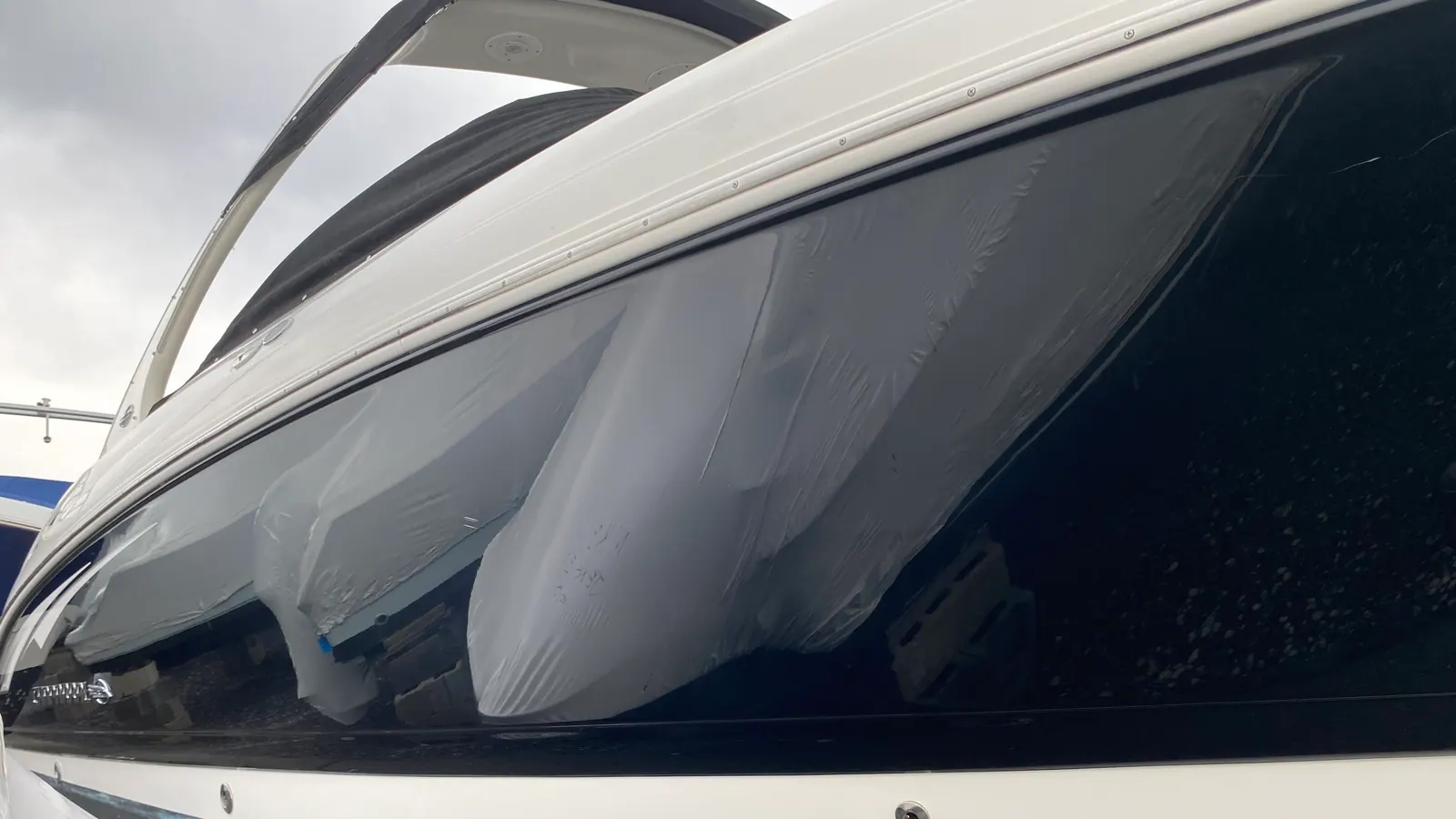
If you used shrink wrapping for winter storage, carefully remove it and inspect your canvas and covers for any damage that occurred during winter. Check for tears, broken zippers, failing snaps and deteriorated stitching. Clean all canvas with appropriate marine canvas cleaner and apply UV protectant.
Eisenglass and clear vinyl enclosures should be cleaned with products specifically designed for this purpose — never use ammonia-based cleaners, which can cause yellowing and cracking. Apply vinyl protectant to keep clear panels supple and clear.
Protect Your Investment with Professional Detailing
Spring is the ideal time to consider long-term protection for your vessel. Ceramic coating applied at the start of the season provides year-round protection against UV damage, saltwater corrosion and environmental contaminants. It also makes ongoing maintenance dramatically easier — a quick rinse removes salt and grime that would normally require scrubbing.
At Platinum Prestige, we offer comprehensive spring commissioning packages for boats of all sizes. From basic cleaning and inspection to complete restoration and ceramic coating, we'll get your vessel ready for another season on the water. We service all marinas and yacht clubs from Southampton to Liberty Landing and everywhere in between.
Related services
Schedule Your Spring Commissioning
Don't wait until the last minute — spring is our busiest season. Contact Platinum Prestige today and start the season with confidence.